

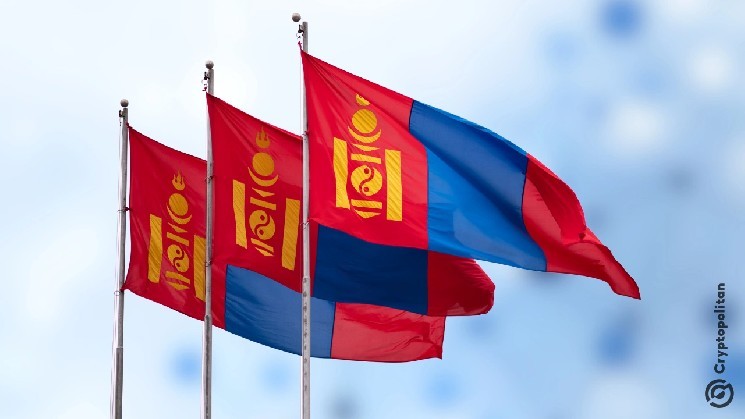
Mongolia has set up renewable data centres as a way to elevate its citizens, diversifying away from the traditional mining revenues that have been encouraging the country for decades.
Temuulen Bayaraa, who heads the Chinggis Khaan fund, says the country is ready to make a leap. Bayara told CNBC at the Milken Institute Asia Summit in Singapore that it has a huge land with a climate that is very favorable for activities such as hosting data centers.
The zone, including Hunnu City, is being marketed as a new, smart, sustainable city hub.
Mongolia bets on green power
The fund was established in April 2024 and already holds around $1.4 billion, awaiting government approval as to which projects to invest in. The fund was created to use mineral revenue to improve infrastructure and power new industries.
Japan, Singapore and Malaysia are all spending heavily on data centres, so Asia is already in the race to build computing power. Analysts at Goldman Sachs say that power usage from sites like this could be 50% by 2027 and more than doubled again by 2030.
With Mongolia’s vast plains, the fund’s future returns will enter into mega-scale renewable projects, bringing the possibilities of solar and wind energy projects. The country is a net energy exporter that feeds Russia, China and its neighbors, and has been upgraded to what the government in recent years calls a comprehensive strategic partnership.
Mongolia’s goal is to have renewable energy produce around 30% of all electricity by 2030, from its current 18% stake. We hope that such developments will meet our targets. It’s currently on a new fund. This is ready to give investors more confidence in their long-term projects.
Bayara acknowledges that there is a risk. “The source of the fund is highly dependent on products,” she said. The prices of coal, copper and uranium shook sharply, and Mongolia’s finances often sway along with them. The Chinggis Fund is managed by Erdenes Mongol, a state company that holds most of its mining stocks.
The country wants to regain public trust
With many citizens not feeling the benefits of the current mining boom, the 3.5 million country feels the fund is the gateway to a better standard of group living.
The rage spilled on the streets of Ulaanbaatar earlier this year, and protests against corruption in the mining sector have been resigned to Prime Minister Oyun Elden Levusannamsle. Biarra is lazy about moods.
“People didn’t feel they were contributing to improving their wealth and livelihoods while eroding natural resources. But now sovereign wealth funds are positioned in a way that rebuilds their trust.”
Byara.
The promise this time is transparency, and Byarer says money will be managed and paid at the ring fence to support people, their educational needs, funding, education, healthcare and housing needs.
Citizens can track inflows and outflows through their mobile app. “It’s a highly targeted intervention to expand the middle class and promote participation in the labour market,” she added.
To build capacity, Bayala hopes that members of the Mongolian diaspora with financial expertise will return to Japan. Their experience in banking and wealth management can give the fund a much needed advantage, she says.
“For a long time, Mongolia has been attracting investments in Mongolia. On the first day we are becoming investors who contribute to the global agenda,” she said.
Mongolia’s development is due to the rapid growth of the data center industry, which is spurring the demand for AI systems. According to Fortune Business Insights, the global data center market was valued at $242.7 billion last year, as previously reported by Cryptopolitan, and is projected to grow to $269.7 billion this year and to $584.8 billion by 2032.
With this growth, stakeholders are also forced to innovate and search for alternative energy sources to drive demand upward.