


There is an ongoing debate within institutional finance as to whether traditional portfolio theory actually applies to the crypto market. One of the most widely accepted theories in the industry, the so-called illiquidity premium, is starting to weaken, and Bitcoin may end up being the biggest beneficiary of this change, according to Jeff Park.
illiquidity premium
For decades, large investors have been instilled with the idea that their money should be locked up in illiquid assets like venture funds and private equity, which should yield higher long-term returns. The reason is simple. Less liquidity means more risk, and more risk requires higher rewards.
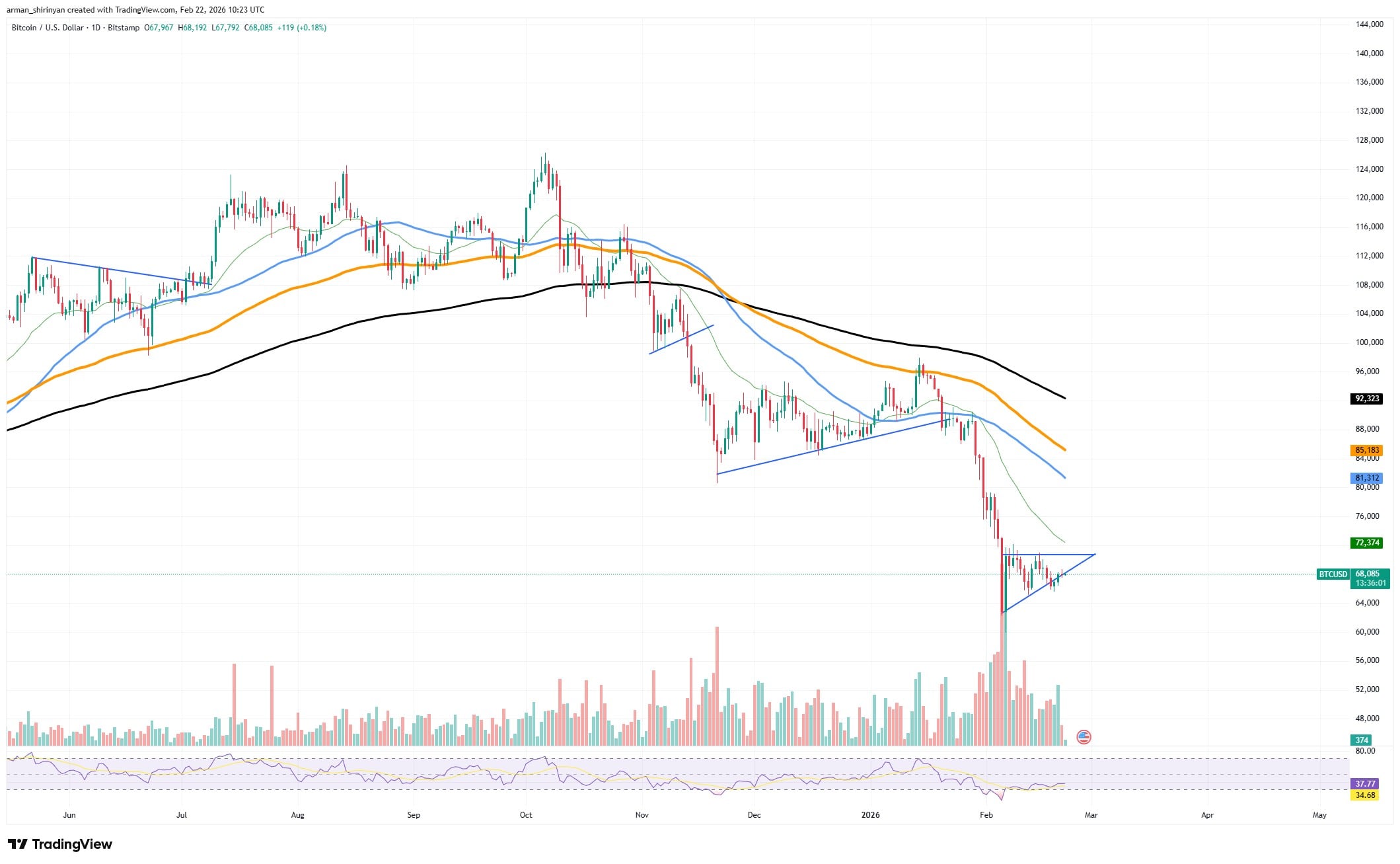
This presumption is challenged by Park’s views in the context of cryptocurrencies. He argues that crypto markets behave differently because liquidity itself has the ability to generate significant alpha. Market making, arbitrage, and short-term positioning allow traders and institutional desks to instantly seize opportunities in response to volatility, without waiting years for value to be created.
The opposite of traditional finance
This reversal turns the structure of standard terminology upside down. It can be more profitable to have short-term liquidity exposure in cryptocurrencies than long-term lock-ups, which goes against institutional wisdom.
Because this model fit into a well-known framework, many funds initially entered the crypto space through venture capital. However, Park argues that the most scalable and effective opportunities currently lie in liquid markets. Bitcoin’s unparalleled depth and fixed supply structure stands out in this conversation.
The liquidity of spot and futures markets allows financial institutions to deploy large amounts of capital without encountering the capacity constraints that often limit private investment. As volatility continues to disrupt transactions, Bitcoin’s scale and transparency make it an ideal anchor for organizational strategies adapting to this new reality.
The broader impact is not just economic, but also cultural. Just as pioneering endowment managers initially embraced alternative assets, the next generation of institutional investors may need to embrace unconventional thinking.
Bitcoin could be the main beneficiary if such a change occurs, not only due to price fluctuations, but also because its market structure lends itself to a scenario where liquidity, rather than illiquidity, is a real premium.