
Ethereum is facing fresh scrutiny after Culper Research released a highly critical report outlining its bearish stance on the second-largest cryptocurrency. market capitalization. The reporter argued that key aspects and the long-term narrative of the ETH ecosystem may be weaker than widely believed, leading the company to disclose that it had taken a short position on the asset.
Culper Research explains the key risks facing the Ethereum ecosystem.
Investment research firm Culper Research published a report critical of short positions in Ethereum. Nic, CEO of Coinbureau shared At
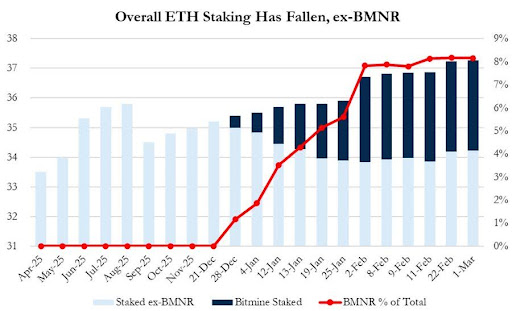
According to the company, lower fees directly lead to lower earnings for validators, which weakens the economics of staking. Culper added: bitmine And the recent increase in transaction activity and active addresses cited as bullish argues that it has been driven by spam transactions and address poisoning attacks rather than actual adoption.
The company also reported this. Vitalik Buterin As if I knew what was happening, I sold about 19,000 ETH. This is a significant amount, equivalent to about 8% of Buterin’s total holdings, but it does not necessarily mean an exit or loss of trust.
At the same time, Nic emphasized that ETH’s design allows for future protocol rule changes through coordinated upgrades or forks if economic problems arise. This may not be easy politically or technically, but it is possible. Nic emphasized that he was not taking sides. But when companies publish detailed papers and invest money behind them, it’s worth understanding the mechanisms they point to.
How are gas limit expansions linked to lower transaction fees?
Cryptocurrency commentator and office space host MartyParty also offer Insight into the problem. Culper Research has opened a short position in Ethereum, claiming the network has entered a potential “death spiral.” The company’s paper is based on on-chain data from January 2025 to January 2025. february 2026.
The main focus of the report is wallet growth following the Fusaka upgrade, with Culper claiming that 95% of new wallet creations during that period were linked to dusting or address poisoning attacks. The company also claims that dusting-related activity currently accounts for approximately 22.5% of all ETH transactions and more than half of the network’s recent transactions. growth.
The company also analyzed the economic impact of increasing gas limits on the network, contributing to an approximately 90% reduction in transaction fees and a 40-50% reduction in tips per gas. Meanwhile, these dynamics can put pressure on the validator economy by reducing overall returns. network activity.
In addition to internal network changes, competition from Solana is leading to increased developer and user activity. reportButerin’s ETH dump sparked backlash from some in the ETH community.
Featured image from Pxfuel, chart from Tradingview.com
editing process for focuses on providing thoroughly researched, accurate, and unbiased content. We adhere to strict sourcing standards and each page undergoes diligent review by our team of top technology experts and seasoned editors. This process ensures the integrity, relevance, and value of the content for readers.