

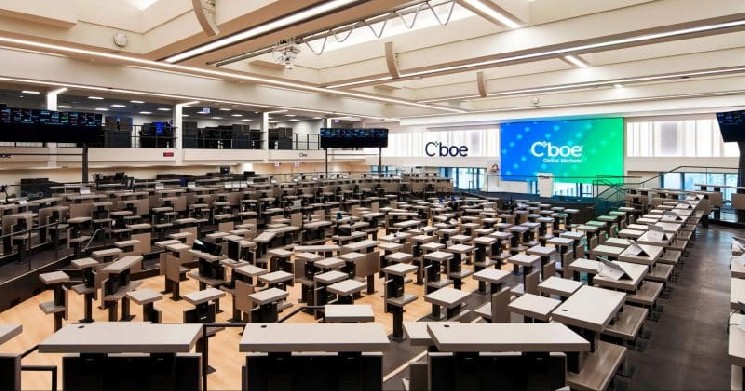
Cboe Global Markets has filed a proposal with the U.S. Securities and Exchange Commission to begin near-24/7 trading of U.S. stocks on the Cboe EDGX exchange, which, if approved, could allow investors to trade stocks nearly 24 hours a day starting in December 2026.
Under the proposal, all stocks on the National Market System would be open for trading from 9 p.m. ET on Sunday to 8 p.m. ET on Friday, with trading suspended for one hour each night from 8 p.m. to 9 p.m., Monday through Thursday. Transactions will be cleared through the Depository Trust and Clearing Corporation.
The move reflects growing demand from investors around the world who want access to U.S. stocks outside of traditional market hours. Market participants in Asia-Pacific markets, including Hong Kong, Japan, South Korea, Singapore and Australia, are increasingly demanding that exchanges extend trading hours to allow them to trade U.S. stocks during local business hours.
Cboe is currently offering extended trading sessions on its EDGX platform from 4am to 8pm ET, which has seen a significant increase in early morning trading volume. The exchange said average daily volume in the first half of trading hours has increased sharply in recent years as investors reacted to overnight news and global macro events.
The company already trades around the clock in other markets, including proprietary S&P 500 index options, VIX derivatives, and a global foreign exchange platform that follows a similar sun-following trading model across international time zones.
Cboe’s proposal comes as exchanges and brokerages race to extend trading hours in response to changes in investor behavior. The New York Stock Exchange has previously considered expanding trading on its Arca platform to about 22 hours a day, and brokers such as Robinhood have already reported that a significant portion of their retail trading activity takes place outside of standard market hours.
Proponents argue that near-24-hour trading allows investors to react immediately to major news events, geopolitical developments, and economic data releases without having to wait for markets to reopen the next morning. Critics have warned that liquidity could be diluted during overnight trading, increasing volatility and widening spreads.
If approved, Cboe plans to begin an expanded trading schedule in December 2026, but rollout is subject to regulatory approvals and the readiness of market infrastructure providers across the board, including trading systems and market data services.
Disclosure: This article was edited by Estefano Gómez. Please see our Editorial Policy for more information on how we create and review content.