
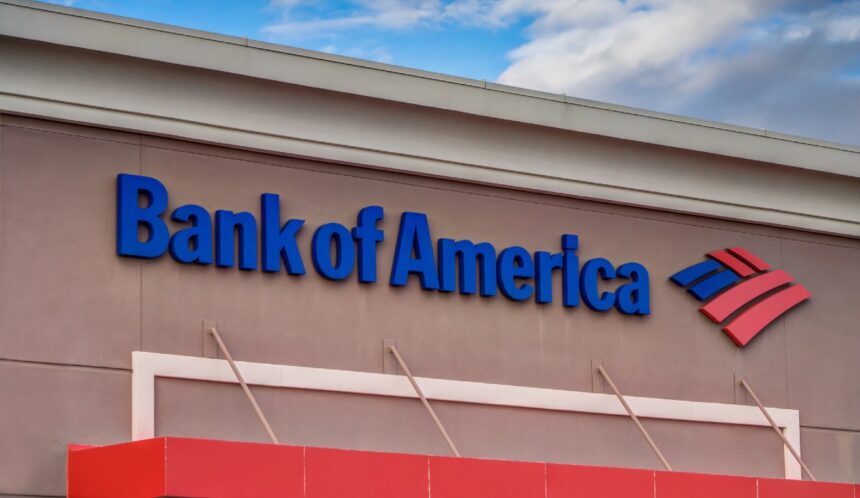
Bank of America CEO Brian Moynihan acknowledged that stablecoins are a direct threat to banks’ deposit bases. It is estimated that this could lead to up to US$6 trillion being leaked for these digital goods if no restrictions were applied to return payments.
Moynihan said during the bank’s Q4 2025 earnings call that the main issue is not just capital competition; However, the macroeconomic impact.
The system loses its ability to lend once deposits move to a stablecoin environment, the executive said. This primarily affects small and medium-sized enterprises that rely on bank credit.
“If we remove our deposits, we will either not be able to lend or we will have to take out wholesale loans with higher loan prices,” the manager warned.
But not all analysts agree with Moynihan’s theory. BitMEX Research questions the premise that loans are directly dependent on large banks’ past deposits.
Researchers say financial institutions the size of JPMorgan and Bank of America frequently make loans and expense payments. You will end up increasing your savings. This is because the recipient typically operates within the same system or holds interbank deposits.
“The limit on bank spending is the capital adequacy ratio, or how much capital a bank has,” they note from BitMEX Research. From this perspective, full-reserve stablecoins and banks that hold 100% of customer deposits in liquidity reserves operate fundamentally differently than current fractional reserve systems. they say, explains traditional banking’s resistance to this new model.
Banks are starting to feel anxious about stablecoins
The background to this controversy is the recent debate over the GENIUS Act (passed in 2025) and the CLARITY Act, whose review has been postponed until January 14, 2026.
Although current regulations seek to limit direct interest payments, the digital asset industry has been successful in offering rewards through partners and exchanges. What the bank describes as a “loophole in the law”.
In this regard, OKX exchange marketing director Haider Rafique pointed out that what Moynihan leaves out is the customer perspective. “People move because banks don’t offer fair returns, and stablecoins do that. “Technology is exposing that gap and customers are making choices accordingly,” he said.
Spanish lawyer Cristina Carrascosa said: The banking sector is finally showing signs of real concern. “Their fees will be reduced and they will lose business for traditional products,” he says.
“I said a long time ago that banks were going to be scared of this. Well, they’re already a little bit scared,” he added.
The future of digital asset regulation in the US
The banking sector, represented by groups such as the American Bankers Association (ABA), is pressuring Congress to ban all types of rewards associated with holding stablecoins, not just interest.
They believe that these assets function similarly to money market mutual funds; They deplete the liquidity that supports the real economy.
Meanwhile, major companies like Coinbase have withdrawn their support for new legislative proposals that seek to benefit banking at the expense of innovation.
The 2026 scenario suggests that battles over deposits will define the next regulatory framework for digital assets in the United States.