

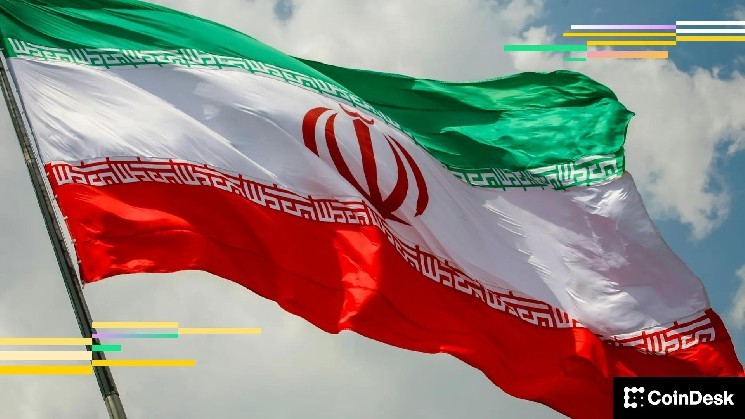
Bitcoin soared to $68,000 early Sunday, recouping almost all of its losses from the war on Saturday, within hours of Iranian state television confirming that Supreme Leader Ayatollah Khamenei was killed in a US and Israeli airstrike.
Khamenei held ultimate authority over Iran’s military, foreign policy, and nuclear program. Under Iran’s constitution, an ad hoc council consisting of the president, the attorney general, and the Guardian Council jurists assumes leadership duties until the Assembly of Experts appoints a successor.
Meanwhile, US President Donald Trump urged Iranians to overthrow the regime, saying this was “probably their only chance for generations.” Tehran continues to fire missiles at Israel, and Israeli attacks on Iran continue. It remains unclear whether the mourning period will affect military operations.
President Trump added that U.S. attacks will continue as long as necessary.
But Bitcoin moved before any of those questions were answered. The $64,000 to $68,000 swing was driven by a headline amid thin liquidity on Sunday. This amounts to a market capitalization change of around $80 billion in a matter of hours.
The view across crypto markets and the broader risk market is that a leadership vacuum is more likely to result in a ceasefire than continued escalation, leading to a quick flight into riskier assets.
Crude oil and stock futures open for trading later on Sunday, and monitoring their movements could indicate whether optimism continues or if Sunday’s rebound fades, similar to Wednesday’s rally to $70,000.
Iran is located at the center of a region responsible for approximately one-third of the world’s crude oil exports. If markets interpret Khamenei’s death as increasing the likelihood of regime instability and supply chain disruption, energy prices could rise, weighing on global inflation expectations and tightening financial conditions. This typically puts pressure on risk assets, including cryptocurrencies.
However, risk assets may remain in favor if traders believe that succession mechanisms will stabilize decision-making and avoid broader wars.