
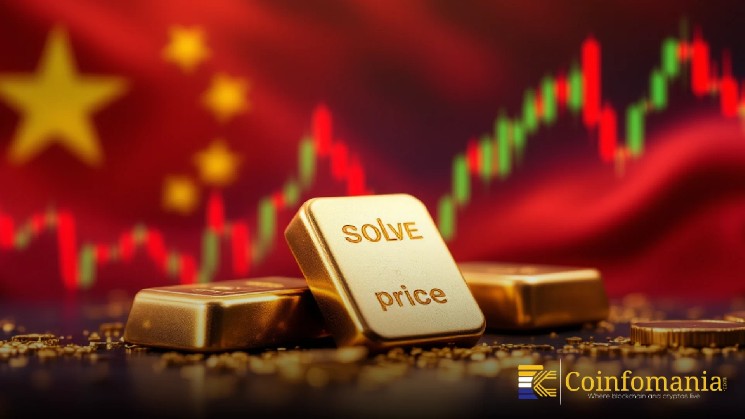
Global financial markets remain under intense pressure due to falling stock prices and sharp currency fluctuations. Investors are scrambling for stability while central banks respond cautiously to slowing growth and tight liquidity. In this period of uncertainty, China’s gold and silver purchases have gained strong momentum and are attracting attention from both global markets and policy makers. China continues to add billions worth of precious metals to its reserves amid deepening uncertainty across major economies.
This surge in Chinese gold and silver purchases does not reflect short-term speculation or panic-based decisions. Instead, it emphasizes carefully planned strategies aimed at strengthening economic resilience during a prolonged period of instability. While many economies rely heavily on financial instruments tied to global currencies, China prefers tangible assets that provide long-term security. Gold and silver serve as reliable stores of value when confidence in traditional markets wanes.
As volatility continues, China is in a position to aim for sustained financial stability rather than temporary monetary easing. The continued accumulation of precious metals reflects confidence in hard assets rather than paper-based reserves. This approach is also consistent with China’s broader efforts to reduce its exposure to external financial risks. China’s gold and silver buying is now a clear signal of how major economies are preparing for an uncertain global situation.
💥Breaking news:
🇨🇳 Amid the recent market downturn, China has been buying billions of dollars of gold and silver. pic.twitter.com/6JN1XHL3GM
— Crypto Rover (@cryptorover) January 31, 2026
Why China prioritizes gold and silver during market downturns
Historically, market downturns drive investors toward assets that hold value amid uncertainty. China follows this principle, but applies it on a national and strategic scale. Gold provides protection against inflation, currency depreciation, and financial shocks. Silver adds both monetary and industrial value, making it a versatile reserve asset. Together, these will strengthen China’s ability to weather prolonged economic stress.
China’s leadership views precious metals as a strategic security tool rather than a speculative tool. This perspective explains why purchases continue even when prices fluctuate or global sentiment weakens. The country is steadily increasing its reserves through domestic production and international procurement. This disciplined gold reserve strategy ensures long-term stability rather than after-the-fact decisions.
Impact of China’s gold and silver purchases on global markets
Large-scale accumulation by major economies has a direct impact on global demand and supply dynamics. China ranks as the world’s largest consumer of precious metals, and its actions have great influence on the market. China’s increased purchases will tighten physical supplies, especially in a gold market where production growth is already limited.
Demand for precious metals will further strengthen as global investors interpret China’s actions as a signal of caution. Institutional and retail investors often follow the actions of central banks when reevaluating their asset allocation strategies. As confidence in gold and silver increases, prices are more likely to hold up over time.
The silver market is more strongly influenced by industrial demand. Technology, renewable energy, and manufacturing are heavily dependent on silver, and China controls many of these sectors. China’s gold and silver purchases therefore impact both investment sentiment and industrial supply chains around the world.
conclusion
Central bank actions often provide insight into future market expectations. China’s aggressive accumulation signals wariness about traditional financial assets. Investors around the world are currently reevaluating their portfolios and increasing their exposure to tangible value accumulation.
As uncertainty lingers, gold and silver will regain importance as a means of preserving wealth. Purchasing gold and silver strengthens confidence in precious metals as long-term strategic assets. This change could impact how institutions and governments manage their reserves going forward.
The company’s strategy could reshape global reserves management practices as uncertainty remains high. Its ripple effects can extend to commodity markets, monetary systems, and long-term investment trends.