

Dash, a Layer 1 blockchain protocol with privacy-preserving features, announced Thursday that it will integrate Zcash’s “Orchard” shield pool into the Dash Evolution chain, a secondary layer on its L1 network that supports smart contract features.
According to an announcement shared with Cointelegraph, the integration will go live after a cybersecurity audit is completed and is expected to launch in March.
Initially, this integration will support basic transfers for Zcash ($ZEC) from one party to another on the Evolution chain, and subsequent upgrades will add Orchard’s privacy features for tokenized real-world assets (RWA), the announcement states.
price of $dash ($dash), the network’s native token soared more than 125% in January. Dash briefly reached a local high of around $96 on crypto exchange Binance, but has since returned to current levels.
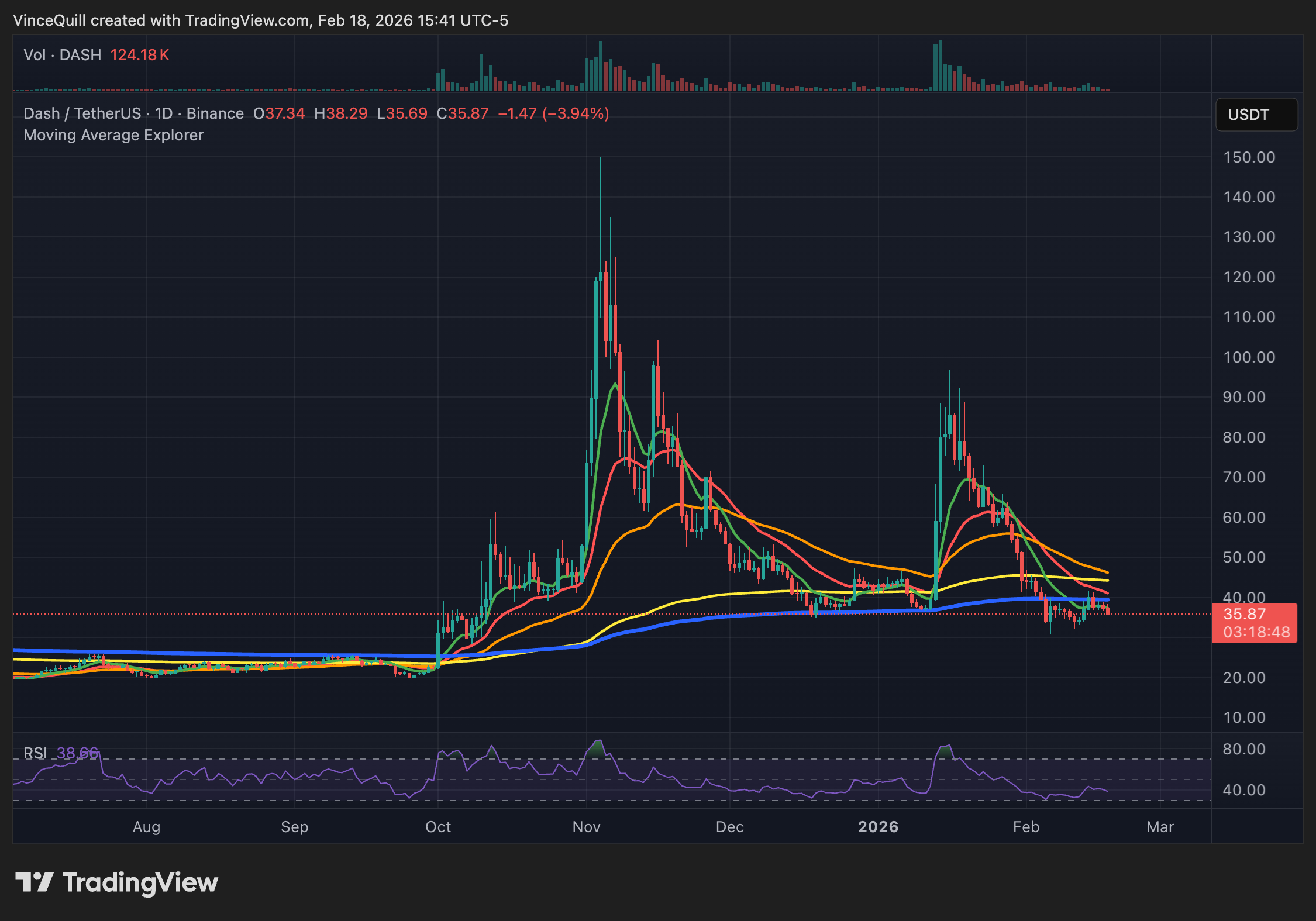
Dash’s price trend shows two major spikes in 2025 and 2026, driven by the growth of the privacy narrative. sauce: TradingView
On-chain privacy protocols and privacy blockchain tokens will gain significant momentum in 2025 and early 2026, with proponents of the technology framing it as a response to increased financial oversight by governments and corporations.
Related: Starknet brings organizational privacy to Ethereum rails with EY Nightfall
Lack of privacy hinders crypto payments while technology comes under criticism
“Lack of privacy may be the missing link in the adoption of crypto payments,” said Changpeng Chao (CZ), co-founder of crypto exchange Binance.
CZ said companies will not adopt blockchain technology unless privacy protection tools can protect payments that contain sensitive information about employee compensation.
Avidan Abitbol, a former business development specialist for the Kaspa cryptocurrency project, told Cointelegraph that transaction data can leak information about key partnerships and other trade secrets to competitors.
Associate Professor Agata Ferreira of Warsaw University of Technology argues that true financial privacy is achieved through a combination of regulation, culture, and norms, rather than simply protecting on-chain metadata.
Critics of the technology, including author and Bitcoin (BTC) supporter Saifeddine Amos, say user anonymity can still be breached and ownership of privacy tokens could be determined through forensic analysis or law enforcement investigations.
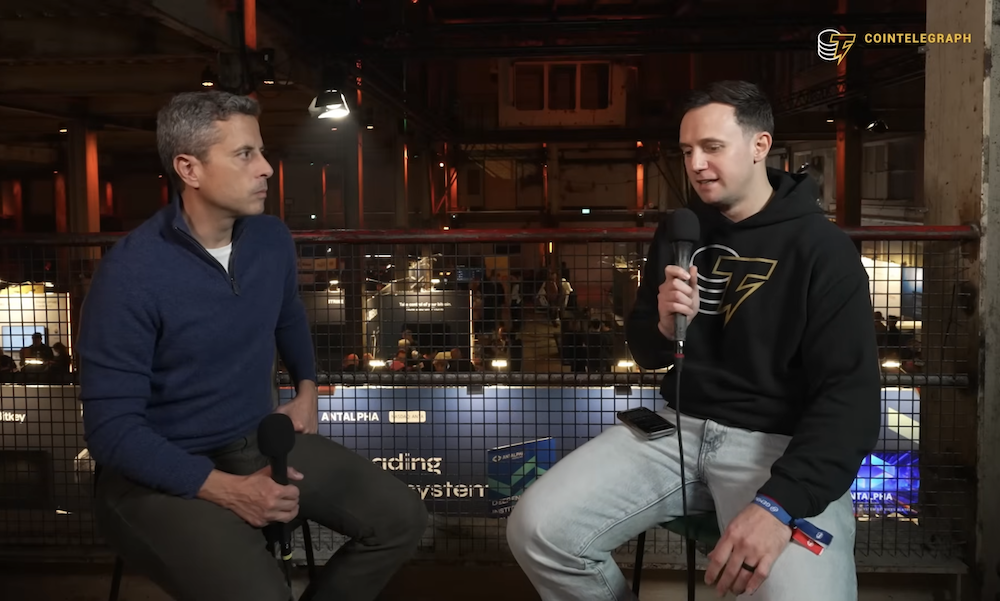
Saifedean Ammous, author of The Bitcoin Standard, talks to Cointelegraph’s Gareth Jenkinson about on-chain privacy. sauce: cointelegraph
In January 2026, the Dubai Financial Services Authority (DFSA), the financial regulator of the Emirate of Dubai, banned privacy tokens that include: $ZEC and $XMR ($XMR), the native token of the Monero privacy protocol.
While the ban does not prevent citizens from holding tokens, it prohibits regulated cryptocurrency exchanges from selling tokens to new users, highlighting tensions between state regulators and privacy technology.
magazine: 2026 is the year of practical privacy in crypto: Canton, Zcash and more