
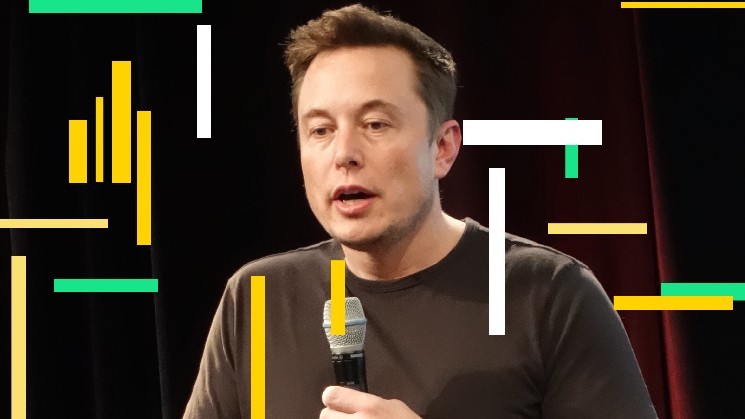
Internal notes from early discussions between Elon Musk and the founders of OpenAI show that Musk briefly supported the idea of an initial coin offering (ICO) as a way to fund the organization, then abandoned the plan and ultimately withdrew from the project.
A January 2018 meeting included Musk agreeing that OpenAI should pursue an ICO to raise about $10 billion, according to call records released as part of OpenAI’s response to Musk’s lawsuit.
Published memos show Musk and the other founders discussing mechanisms to create a for-profit arm, including an ICO, to support the nonprofit’s mission.
However, by the end of the month, OpenAI founders said Musk no longer supported this approach. OpenAI said Musk determined the organization would not be able to raise enough funding and decided to instead focus on artificial intelligence research at Tesla.
This episode provides a glimpse into early cryptocurrency thinking at the intersection of AI and blockchain. ICOs were a common funding mechanism in 2017-2018 before their popularity slowed due to regulatory scrutiny and market fluctuations.
The 2017-2018 crypto boom was defined by the ICO craze, where startups raised billions of dollars by selling tokens directly to the public. Regulatory rules were unclear, investor appetite was high, and token sales were being touted as a quick alternative to venture capital before the market cooled and scrutiny increased.
OpenAI’s internal discussions reflect that token-based funding was being seriously considered even by mainstream tech players before this model fell out of favor.
Musk’s departure from OpenAI in late 2018 led the organization to pursue a mission structure that combined a public benefit corporation and a managed nonprofit organization, a model it still uses today.
The ICO debate has resurfaced in the context of legal filings, providing new insight into a pivotal moment in OpenAI’s early evolution.