
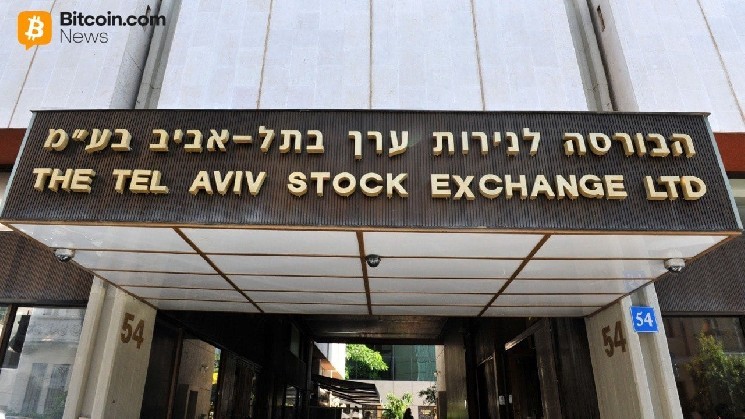
The Israeli market hit a record high on March 2, 2026, overcoming the global recession despite the start of the US-Israel military operation against Iran.
The market reaches a new peak
Israeli financial markets soared on Monday, March 2, 2026, just two days after the start of joint military operations with the United States against Iran. While global markets fell in the shadow of growing regional conflict, the Tel Aviv Stock Exchange (TASE) posted record gains and the shekel appreciated sharply against both the dollar and euro.
The benchmark TA-35 index rose 4.61% to a new all-time high of 4,318.50 points. The broader TA-125 index followed suit, rising 4.75% to a record high of 4,268.43 points. Trading volumes were unusually high, and local observers said it indicated a vote of confidence in the military operation.
Notable sector gainers included insurance companies Kral, Harel and Menora Mivtahim, which all soared more than 9%. Banking and defense stocks also posted strong gains, with Leumi Bank leading the market in terms of sales. However, regional instability weighed on the outlook, with energy being the only sector to decline.
In the foreign exchange market, the shekel’s resilience was even more pronounced. Geopolitical escalation usually drives investors towards the US dollar, but the opposite was true for the Israeli market. The dollar fell 1.93% to trade at around 3.07 shekels locally, while the euro fell 2.76% to around 3.60 shekels.
The rise comes as the US dollar index (DXY) rose 0.7% globally to 98.2, highlighting what a local report described as a unique “Israeli exceptionalism” in the current financial climate.
Alex Zabedzinski, chief economist at Maytab, said war doesn’t necessarily mean a weaker currency for Israel. He pointed to past conflicts where the shekel initially depreciated but rose significantly by the end of the fighting.
Global market retreats as oil concerns grow
However, the cost is still staggering. In the last major conflict with Iran, direct costs were estimated at $554 million (1.7 billion shekels per day) and total GDP losses amounted to about $6.5 billion (20 billion shekels) over 12 days.
Zabedzinski warned that “today’s price levels are very different from previous periods, but it is not at all certain that the shekel will lose its value during the war.”
Local optimism is in stark contrast to international sentiment. As of Monday morning, Asian markets were down sharply, with futures on Wall Street and European exchanges trading in the red. Concerns about the closure of the Strait of Hormuz have already pushed up global oil prices, raising fears that inflation will spike again.
TASE will be closed on March 3rd for the Purim holiday, so investors will have to deal with the rapid developments on the first day of the war.
Frequently asked questions ❓
- Why did the Tel Aviv Stock Exchange soar? Confidence in joint operations between the United States and Israel has resulted in record gains.
- How did the Shekel perform against the global majors? Locally, the shekel appreciated while the dollar and euro weakened.
- How did international stock markets react to the conflict? Markets in Asia, the US and Europe retreated due to war and oil concerns.
- What role does the Strait of Hormuz play? Concerns about transport disruptions have pushed up global oil prices.