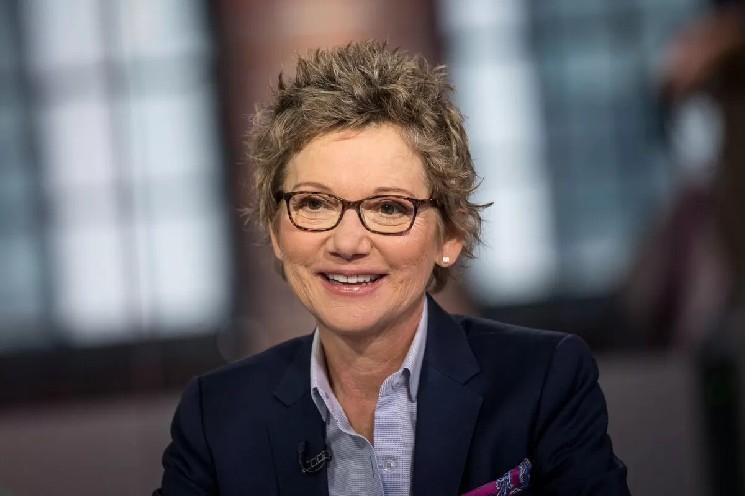
San Francisco Fed President Mary Daly said she supports lowering interest rates at next month’s U.S. central bank meeting.
Daly said the labor market appears to be more fragile than expected and a sudden deterioration poses a bigger risk than a potential rise in inflation.
Daley does not have a vote on the Federal Open Market Committee (FOMC) this year or next, but his comments have attracted attention because they generally align with Fed Chairman Jerome Powell. The Fed is divided on whether to keep interest rates unchanged or cut rates on December 9-10.
“I don’t know if we’ll be able to be active in the labor market,” Daley said, noting that the economy has long been in an equilibrium of “fewer jobs and fewer layoffs,” but there is a growing possibility that this equilibrium could tip into the negative. Conversely, it said the cost increases from tariffs throughout the year were more limited than expected, and the risk of a sharp rise in inflation was low.
Daly said he believes the Fed can bring inflation down to its 2% target without increasing unemployment, and that it would be a “policy error” to do otherwise.
Rates have fallen to the 3.75-4% range following cuts in the past two meetings, according to CME Group data, and futures markets are once again pricing in the possibility of another rate cut in December. That probability had been below 50% during the month, but that changed after New York Fed President John Williams said there was “room for a near-term rate cut.”
But some Fed officials oppose cuts, arguing that price pressures could persist, especially on services inflation and tariff-sensitive goods. They warn that easing too quickly could put the Fed in a difficult position if economic activity picks up again in 2025.
But Daly argued that the Fed shouldn’t back off on guard. “I don’t think our hands are tied next year. We’ll cut rates further if we have to, or we’ll raise rates if we have to.”
Daly said it was normal for there to be disagreements within the Fed, a natural result of an uncertain economic environment, and argued that “our job is not to build consensus, but to accurately assess risk.”
*This is not investment advice.