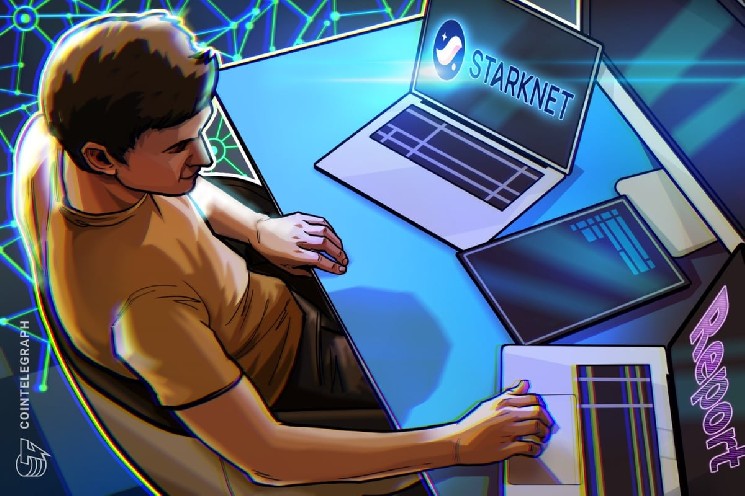
The team behind Starknet, the Ethereum Layer 2 (L2) scaling network, released a post-mortem report on Monday outlining the root causes of temporary mainnet downtime.
According to the report, the root cause of the mainnet downtime was a mismatch in network conditions between the blocking execution layer and the attestation layer that ensures the execution layer is processing transactions correctly. The Starknet team explained:
“In one particular combination of cross-function calls, variable writes, cancellations, and their catches, the blocking function remembered state writes that occurred within the canceled function, causing incorrect transaction execution.
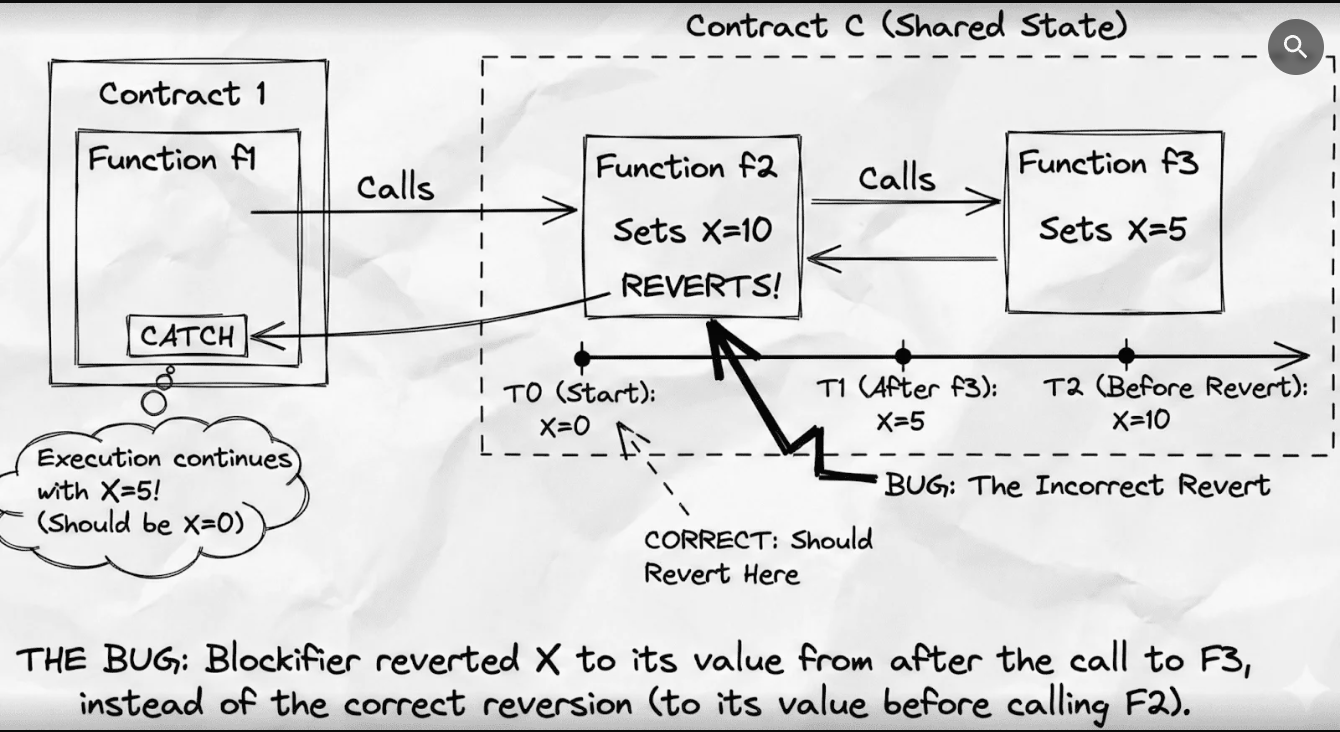
Diagram showing how a bug in the code affected the network. sauce: stark net
“Thanks to Starknet’s proof layer, this erroneous execution never achieved L1 finality,” the StarkNet team said, highlighting how the proof layer worked properly by flagging the error and not committing the offending transaction to the ledger.
This incident forced a block reorganization, reversing 18 minutes of network activity. According to the research team, StarkNet has returned to normal functionality.
This incident prompted the team to conduct testing and code audits to prevent similar issues from occurring in the future. Monday’s StarkNet disruption also highlighted the challenges of coding the latest generation of blockchain networks, which include multi-layered technology stacks.
Related: Iran is cut off from the internet: Here’s how cryptocurrencies still work
Monday’s outage wasn’t the first time Starknet experienced disruption in 2025
StarkNet experienced several outages in 2025, with the most severe failure occurring in September after a major protocol upgrade called Grinta.
According to the Starknet team’s after-action report, the outage lasted more than five hours and was caused by a bug in the sequencer. A sequencer is a system used to order transactions on a blockchain network.
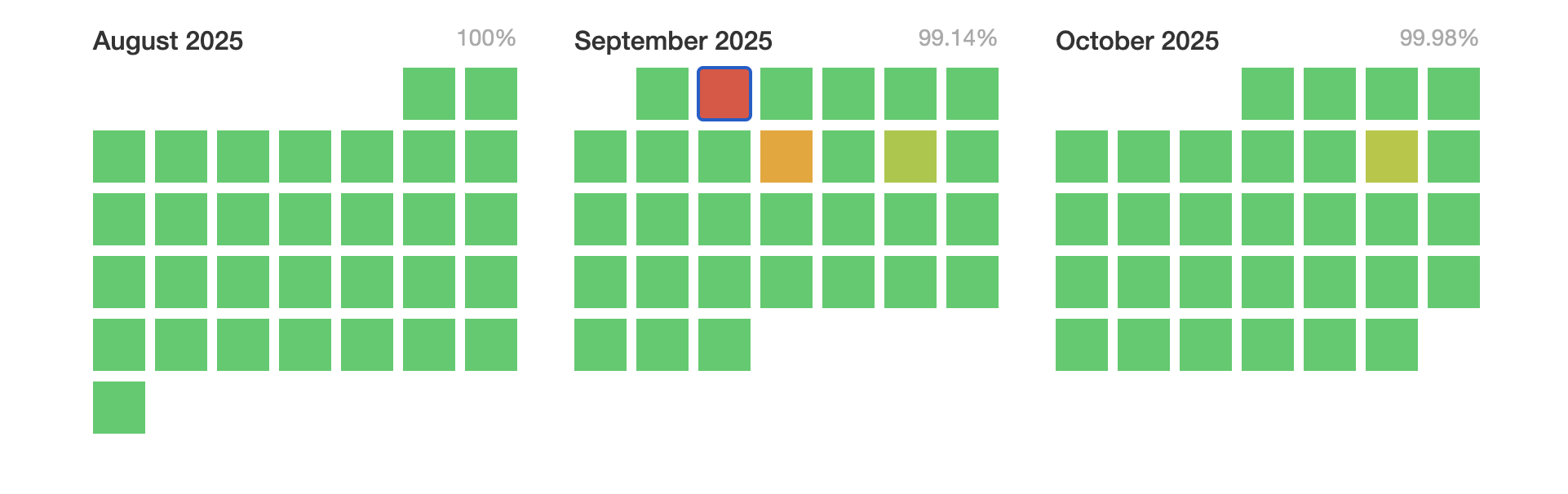
Starknet uptime. The red square represents the September outage. sauce: stark net
During the outage, block generation stopped and two chain reorganizations were performed to restore the network to a functional state.
This reorganization resulted in approximately an hour of network activity being undone or rolled back, requiring users to resubmit their transactions.
From a user’s perspective, having to resubmit a transaction is less painful if the transaction is not time-sensitive, but it can be fatal for frequent traders and investors who frequently close positions or need to post transactions in a short period of time.
magazine: Ethereum’s Fusaka fork explained to beginners: What exactly is PeerDAS?