Cryptocurrency is becoming a central part of Venezuela’s economy as citizens look to digital assets and protect themselves from collapsed currency and stricter government control.
From small family stores to large retail chains, shops across the country accept crypto through platforms such as Binance and Airtm. Some companies even use Stablecoins to pay employees, but universities are starting to offer courses exclusively for digital assets.
“There are so many places that are accepting that right now,” shopper Victor Susa, who paid for the USDT (USDT) phone accessories, told the Financial Times. “The plan is to one day encrypt my savings.”
According to the ChainAlysis 2024 Crypto Adoption Index report, Venezuela ranked 13th in the world for its adoption of crypto.
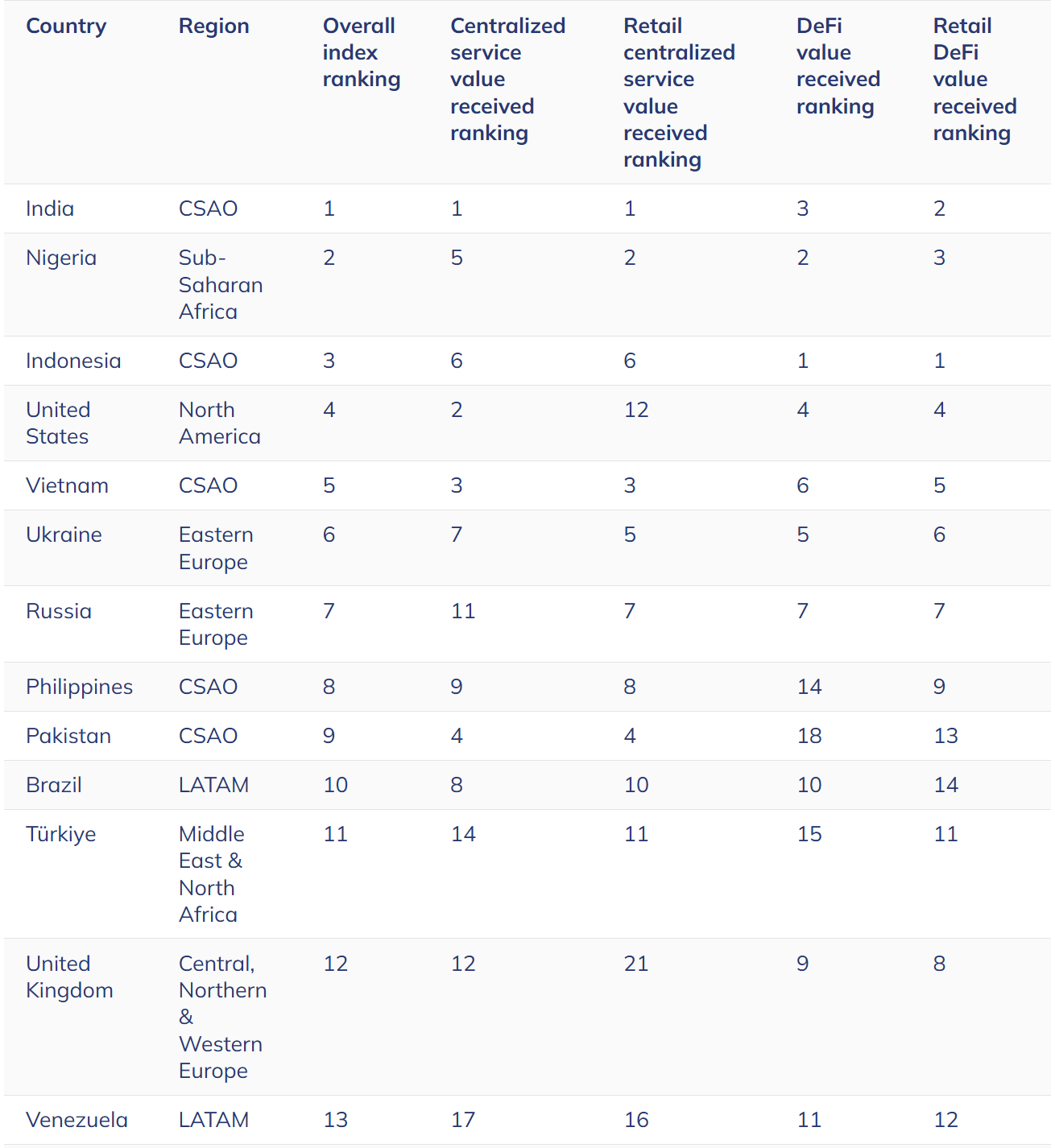
Venezuela ranked 13th in the world for its adoption of cryptography. Source: Chain Analysis
Related: Venezuela blocks vinance amidst presidential election conflict
Venezuelans are encrypted due to the crash of Bolivar
Continuing slides in Bolivar currency have strengthened the demand for crypto. The government halted its currency defense in October, losing more than 70% of its value. Inflation hit 229% in May, according to the Venezuela Financial Observatory (OVF).
“Venezuelans inevitably began using cryptocurrencies,” said economist Aaron Ormos. He noted that they have become more inflation, low wages, a lack of foreign currency and difficult to open bank accounts.
However, access is not always smooth. Due to US sanctions on Venezuela’s financial sector, Binance is restricting services related to licensed banks and individuals. Connection issues also hinder widespread use. Still, experts say ecosystems are resilient, according to the FT report.
The government’s stance on crypto remains contradictory. Venezuela launched its own digital currency, Petro, in 2018, but last year the project collapsed. The major exchange regulator was closed in 2023 following corruption allegations related to oil-linked transactions.
Cointelegraph reached out to Binance for comment, but was not responded by publishing.
Related: Venezuelan opposition’s Bitcoin reserve plan must overcome political turmoil first
Venezuela’s cryptocurrency transfers spike
As Cointelegraph reported, as the country’s economy sank deep into the crisis, crypto transfers have become an important lifeline for Venezuelans. In 2023, digital assets occupied 9% of the $5.4 billion remittance. It was about $461 million.
Families are increasingly dependent on cryptocurrencies than traditional services like Western Union, which are overwhelmed by high fees, delays and currency shortages.
Meanwhile, military tensions are rising between the US and Venezuela. On Tuesday, Venezuela’s defense minister announced the deployment of naval ships and drones following Washington’s decision to join the region with missile cruisers and nuclear aviation submarines to send amphibious squadrons of three warships.
This accumulation comes after the Trump administration accused President Nicolas Maduro of working with the cartel, expanding the pursuit of Venezuelan leaders, doubled the reward for Maduro’s capture and provided $25 million to Home Minister Diosdado Cabello.
magazine: Can privacy survive the US crypto policy after the conviction of the Roman Storm?