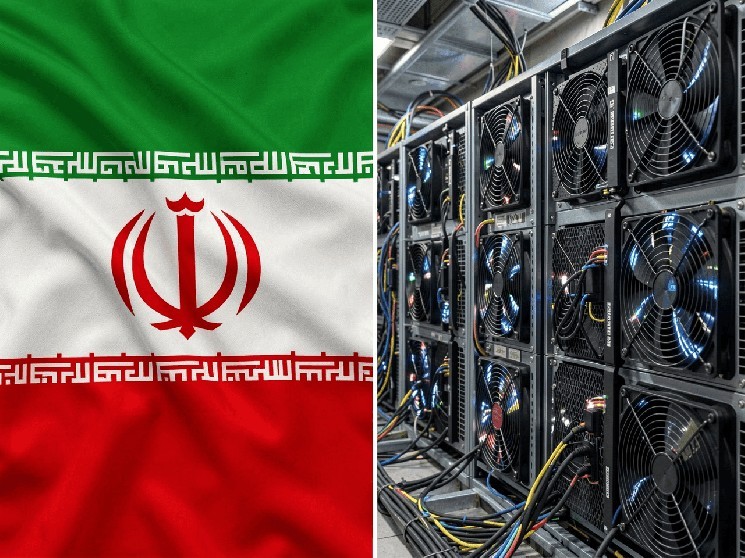
In the global landscape of digital assets, energy is the ultimate currency. While most miners around the world are struggling with rising energy costs and depreciating hardware, Iran remains a global anomaly. As of early 2026, mining costs 1 $bitcoin holds an extraordinary position in Iran $1,320The market price of $BTC hold steady around $68,000. This wide disparity creates a unique and high-stakes environment where geopolitical strategies and underground economies collide.
Can I make money mining Bitcoin in Iran?
in short: Yes, but there are significant risks involved. The 50x return on investment comes from Iran’s heavily subsidized electricity, which allows miners to produce Bitcoin at a fraction of the global average. But this profitability is split between state-sanctioned operations, which must sell to the central bank, and illegal miners, who risk raids to get their hands on all the profits.
Subsidized mining economics
Bitcoin mining is the process of using specialized hardware (ASICs) to solve complex mathematical puzzles and secure the network in exchange for block rewards. In most regions, electricity accounts for 80-90% of operating costs. In Iran, the government provides industrial electricity at the lowest prices. $0.005/kWh.
To generate one Bitcoin, an average setup requires something like this 2,000~3,000MWh. At Iranian rates, this equates to approximately $1,320. By contrast, mining the same Bitcoin in Europe or the United States can cost anywhere from $40,000 to more than $100,000, depending on the local power grid.
Dual economy: legal and illegal operations
The Iranian government legalized mining in 2019 to generate foreign currency and avoid international sanctions. However, the field is highly divided.
- Authorized miners: These businesses enjoy legal protection and cheap electricity, but are required to sell all Bitcoin profits to the state. Central Bank of Iran (CBI) To finance domestic imports.
- Underground (90%): An estimated 90% of mining in Iran is conducted illegally. These miners utilize stolen or subsidized household electricity to maximize their ROI, often hiding their rigs in schools, mosques, and rural farms.
why the government allows it
For Iran, Bitcoin is more than a financial asset. It is a tool for sanctions evasion. By converting local natural gas to Bitcoin, states can make payments for goods around the world without relying on the restricted SWIFT banking system. However, this has led to serious domestic problems, including frequent power grid breakdowns and power outages in large cities.
Comparison of global mining costs (2026)
To understand the magnitude of Iran’s advantage, compare it to other popular mining hubs using the latest exchange comparison data.
Risk management and hardware
Miners in Iran often face seizure of equipment during government “raids” aimed at stabilizing the power grid. To protect their assets, professional miners utilize high-end hardware wallets and sophisticated cooling systems to hide their rigs’ thermal signatures.
conclusion
The 50x ROI in Iran is a byproduct of unique geopolitical and economic pressures. Although the cost of entry is low, operational risks such as imprisonment and asset confiscation remain high. As global Bitcoin prices continue to fluctuate, Iran’s role as a low-cost mining haven is likely to continue as long as energy subsidies are maintained.